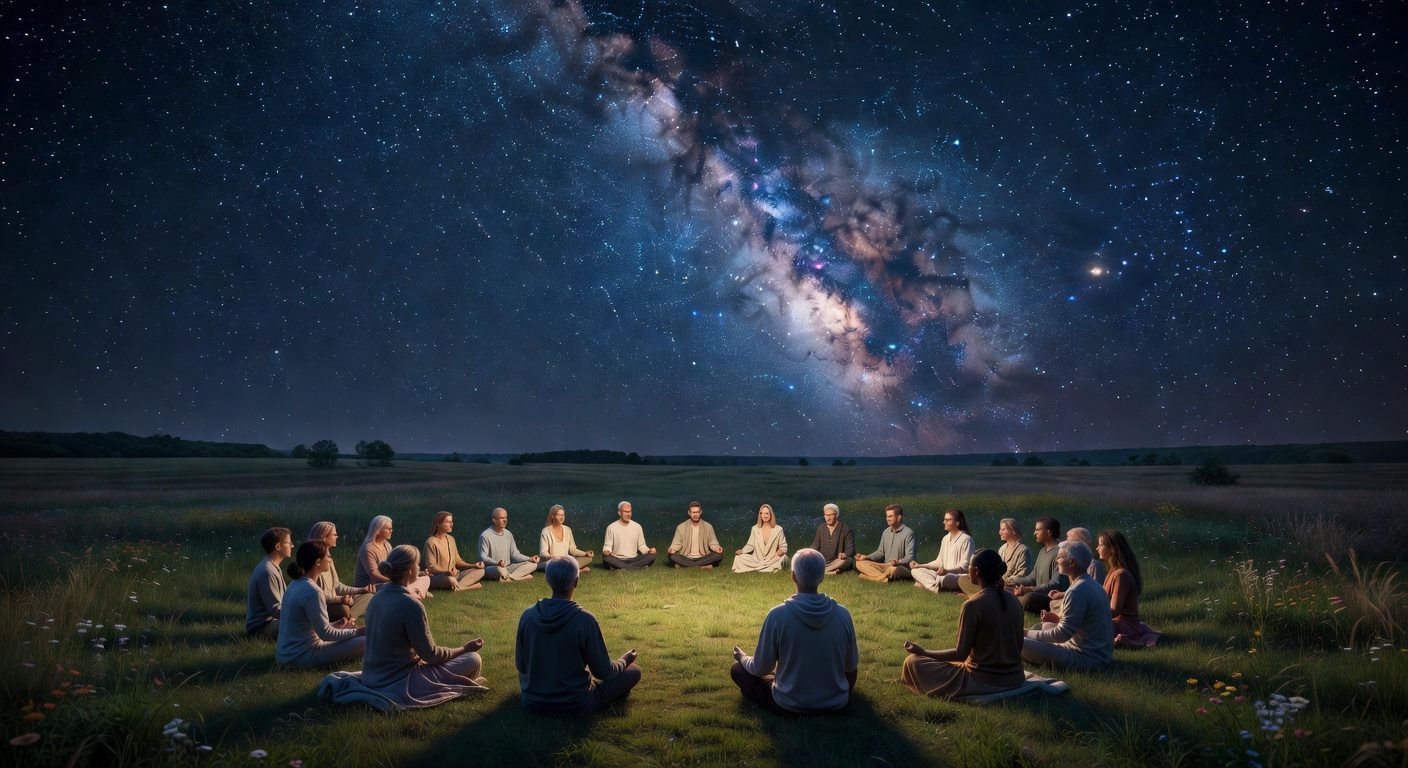
What Is Forest Bathing, Exactly?
Shinrin-yoku is not hiking. It is not birdwatching. It is not exercise. It is the practice of being in the presence of trees — opening your senses to the forest atmosphere and allowing your body and mind to receive its gifts passively, without agenda.
A forest bathing session might last two to four hours and cover less than a kilometre. You walk slowly. You pause frequently. You might sit beside a stream, breathe deeply in a clearing, or simply rest your back against an ancient trunk and let your thoughts dissolve.
"The forest does not ask you to perform. It asks only that you arrive — and that you stay."
The Science of Healing Among Trees
The measurable benefits of forest bathing have been documented extensively by researchers including Dr. Qing Li, who has spent decades studying the physiological effects of forest immersion. His findings are remarkable:
Research-Backed Benefits of Shinrin-yoku
- 12.4% average reduction in salivary cortisol (stress hormone)
- Significant decrease in pulse rate and blood pressure
- 40% increase in Natural Killer (NK) cell activity — immune cells that fight viruses and cancer
- NK cell boost can persist for up to 30 days after a 3-day forest immersion
- Reduced activity in the prefrontal cortex (the rumination centre)
- Improved mood, reduced anxiety, and elevated feelings of awe
The primary mechanism appears to be phytoncides — aromatic volatile compounds released by trees, particularly conifers. When we breathe in forest air, we are literally inhaling biological communication. The trees are speaking to one another through the air, and our bodies are listening.
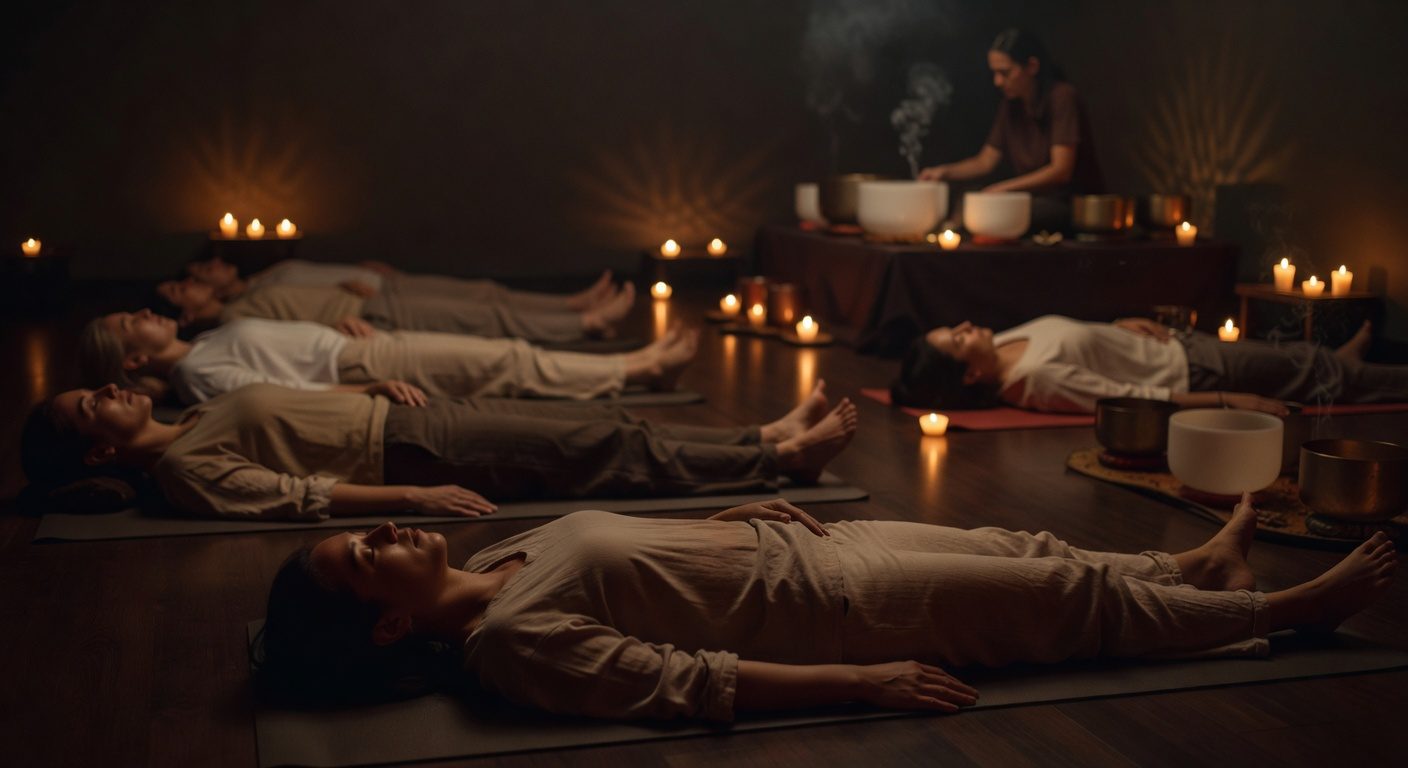
Forest Bathing as a Retreat Practice
In Bali, we incorporate the rice terrace walks at Tegallalang as a form of sensory immersion — the geometry of terraced green, the sound of irrigation channels, the scent of earth after rain. Forest bathing need not be literal forest — any natural landscape, entered with full presence, becomes a healing space.
How to Practice Shinrin-yoku on Your Next Trip
You do not need a guide to begin. The only equipment required is your willingness to move slowly and pay attention. Here are some simple entry points:
Begin at the threshold. Before entering any natural space, pause. Take three slow breaths. State an intention — not a goal, but an orientation. Perhaps: "I am here to receive, not to achieve."
Activate your senses in sequence. Begin with what you can hear. Spend a minute with sound alone. Then sight. Then smell. Then touch. Finally, if you are by water, taste. This sequential sensory activation shifts your attention from thinking mind to sensing body.
Find one tree. Rather than covering distance, go deep with one tree. Spend fifteen minutes with a single tree — observe its bark, its form, its root system. Lean against it. Feel its stability beneath you. Trees have a way of lending their groundedness to anyone who pauses long enough to receive it.